
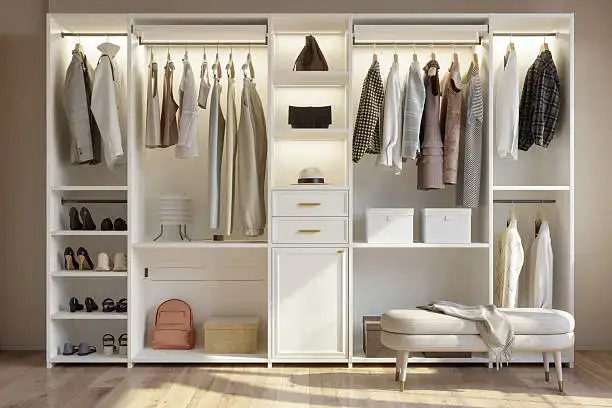
Closet Organization Ideas for Small Spaces on a Budget
Table of Contents
A cramped closet organization with one sagging wire shelf can swallow half your wardrobe and still look empty on hanger space. The good news is that you don’t need a custom-built system or a big budget to fix that. You just need the right storage choices and a plan before you buy anything.
What Makes a Small Closet Hard to Organize?

Most small closets fight you on layout, not just size. A basic reach-in closet with a single rod and one wire shelf wastes enormous amounts of vertical space above and below that rod, space that could easily hold a second hanging zone or stacked bins. Some older units have no shelving at all, just a rod and bare walls.
Renters face an extra constraint. No drilling or permanent modification rules mean built-in shelving or mounted systems are often off the table, pushing you toward tension-based or freestanding solutions instead.
The other common culprit is unused space that isn’t the rod at all:
- Vertical space above eye level, often left completely empty
- Door space, ideal for hanging organizers but frequently ignored
- Wall space beside the rod, usually wasted floor-to-ceiling
What Do You Need to Do Before You Start Organizing a Closet?
Before buying a single bin, clear the closet out completely and sort everything into three piles: keep, donate, discard. Mississippi State University Extension recommends starting with a full declutter rather than buying new storage first, since this step alone often frees up more space than people expect, a big chunk of “not enough storage” is really just too much stuff.
Next, measure the actual space: width, depth, height, and door swing clearance. A shelving unit that looks right in a store photo can block the door or leave dead space if you skip this step.
Finally, list out what categories actually need to fit, such as hanging clothes, folded clothes, shoes, accessories, linens, or seasonal items. This tells you what kind of storage you actually need instead of guessing.
What Are the Best Storage Systems for a Small Closet?
Which Shelving or Rod Systems Work Best in Tight Spaces?
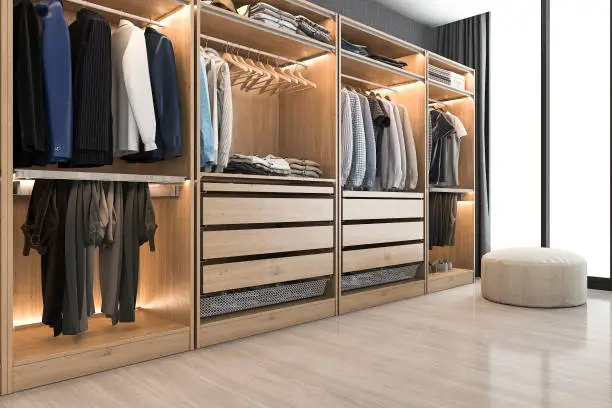
Adjustable wire shelving is the cheapest and most flexible option, letting you reconfigure shelf height as your needs change, though it can sag under heavy loads over time. Modular closet systems (stackable cube units or track-based components) cost more but adapt better to odd-shaped spaces and grow with you.
A double-hang rod, a second rod installed roughly halfway down the closet, roughly doubles your hanging capacity for shirts, folded pants, and shorter items, without needing more floor space.
For renters, tension rods and freestanding wire or wood shelving units require no drilling at all and can be removed cleanly at move-out. The main tradeoff is slightly less stability under heavy loads compared to wall-mounted systems.
What Storage Bins and Containers Actually Save Space?
Stackable bins make better use of vertical space than drawer-style units, since you’re not losing space to a drawer’s pull-out clearance. Drawer units, on the other hand, win on convenience for items you access daily.
Clear bins let you see contents at a glance, which matters most for items you dig through often, like accessories or off-season shoes. Opaque bins with labels look tidier and work better for items you rarely open, like extra linens.
Vacuum-sealed bags compress bulky seasonal items, such as winter coats and comforters, down to a fraction of their size, making them ideal for top-shelf or under-shelf storage where space is tightest.
How Do You Organize a Small Closet Step by Step?
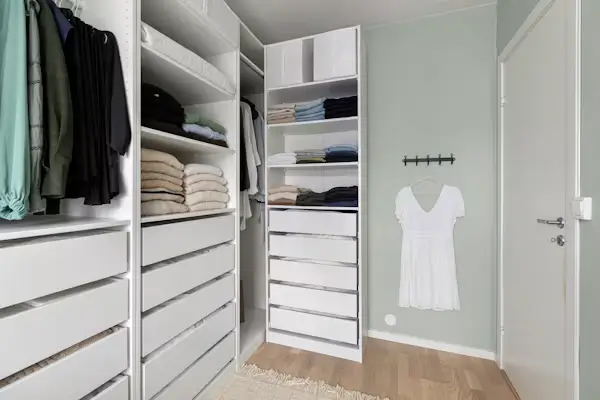
- Remove everything and sort into keep, donate, and discard piles.
- Measure the space and plan zones (hanging, folded, shoes, accessories) before buying any storage.
- Install or arrange your chosen system, whether that’s rods, shelving, or a modular kit, based on your measurements.
- Group items by category and frequency of use, keeping daily items at eye level and rarely-used items up top or down low.
- Add labels and set a maintenance routine. A quick reset every couple of weeks keeps the system from collapsing back into clutter.
What Mistakes Do People Make When Organizing a Small Closet?

- Buying storage products before measuring or planning: bins and shelves that don’t fit the space (or each other) waste money and space alike
- Ignoring vertical space: leaving the area above the rod or below the top shelf completely empty
- Overfilling bins and shelves: packed-tight storage makes it harder to see or reach anything, and closets need some airflow to avoid musty odors. In fact, NDSU Extension warns that an overpacked closet restricts airflow enough to create the humid, stagnant conditions mold needs to grow, especially in closets on exterior walls.
- Skipping regular decluttering: even a well-planned system collapses within months if nothing ever leaves the closet
How Much Does It Cost to Organize a Small Closet on a Budget?
As a rough estimate based on typical retail prices, costs generally fall into three tiers:
- Budget tier (roughly $20-50): dollar-store bins, tension rods, basic over-the-door organizers.
- Mid-range tier (roughly $75-200): modular wire shelving kits, stackable drawer units, quality vacuum-seal bags.
- Higher-end tier ($300 and up): custom, professionally installed closet systems built to the exact dimensions of your space.
To cut costs further, repurpose containers you already own, like shoe boxes or baskets, and check secondhand marketplaces for shelving units. Closet systems are commonly resold when people move.
DIY Closet System vs. Pre-Made Closet Kit: Which Is Better for a Small Space?
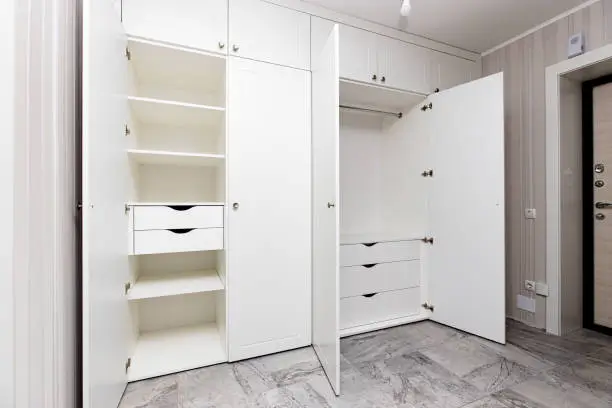
A DIY system built from individually purchased shelving, rods, and bins is usually cheaper and lets you customize each component to your exact space, though it takes more planning and shopping around. A pre-made closet kit costs more but saves time, since everything is designed to fit together out of the box.
For renters, DIY tension-rod and freestanding setups tend to be more move-friendly, since nothing is permanently installed. Pre-made kits vary: some are freestanding and portable, while others require mounting, so check the product specs before buying.
On durability, professionally installed custom systems last the longest and hold the most weight, while budget DIY components (especially wire shelving) are more prone to sagging or bending under heavy, long-term use.
How Do You Organize a Closet in a Shared or Multi-Person Household?
Most closet organization advice assumes one person owns the whole space. Shared closets (roommates, siblings, couples) need a different approach entirely.
Dividing space fairly starts with splitting by usable zones rather than a strict 50/50 split, since people’s wardrobes and storage needs rarely match exactly. Measure total hanging and shelf space, then divide based on what each person actually owns.
Color-coding or zoning, such as assigning each person a shelf, bin color, or section of the rod, cuts down on the daily friction of searching through someone else’s items by accident.
For households that need to share space year-round, rotating seasonal storage works well: use vacuum-sealed bags for off-season items and designate one shared bin or shelf area specifically for seasonal swaps, so no single person’s stuff permanently claims the best space.
Start with the clear-out. It’s the one step that costs nothing and usually reveals you need less storage than you thought.
What is the cheapest way to organize a small closet?
A full declutter first, then dollar-store bins, tension rods, and repurposed containers you already own. Most of the cost savings come from decluttering before buying anything.
Do closet organizer systems really increase space?
They increase usable space by making better use of vertical and door space, rather than adding physical square footage. A double-hang rod or stacked bins can meaningfully boost capacity without any structural change.
How do you organize a closet without drilling (for renters)?
Tension rods, freestanding shelving units, and over-the-door organizers all work without any wall damage, and can be fully removed at move-out.
How often should you reorganize or declutter a closet?
A quick reset every couple of weeks keeps the system working, with a full declutter recommended once or twice a year, commonly tied to seasonal clothing swaps.