

Garage Storage Solutions That Actually Save Space
Table of Contents
A garage that’s supposed to fit a car but barely leaves room to walk is one of the most common storage problems in a home. The good news is that you don’t always need a bigger garage to make it work better. With a clear layout, better use of wall and ceiling space, and the right garage storage system, you can free up valuable floor space without turning the garage into another cluttered room.
Why Do Most Garages End Up Disorganized?
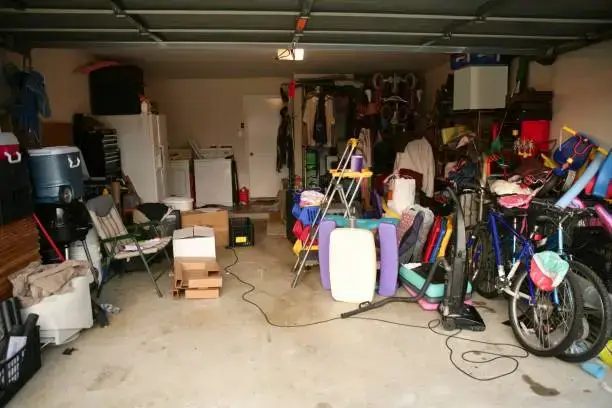
Garages often become disorganized because storage isn’t planned as a system. Items from other rooms get pushed into the garage, seasonal decorations accumulate, and tools, sports equipment, and vehicle supplies end up without a designated place.
Floor-only storage is one of the biggest space-wasters in a garage. Boxes and loose items spread across the floor while valuable wall and ceiling space remains unused.
Another common problem is a lack of clear zones. Without defined areas for parking, storage, tools, and other activities, everything starts competing for the same floor space, making it harder to park the car and find what you need.
What Should You Do Before Buying Any Garage Storage Products?
Start with a full clear-out before buying storage products. Sort everything into keep, donate, discard, or relocate categories so you’re organizing the items you actually need rather than simply finding new places to hide clutter.
Next, measure your available space, including wall dimensions, ceiling height, door clearance, and the floor area that needs to remain open for vehicles and walking paths. This helps prevent you from buying shelving or cabinets that don’t fit the actual layout.
Identify the categories of items you need to store, such as tools, seasonal decorations, sports equipment, gardening supplies and potting soil, and vehicle-care products. Knowing what you’re storing makes it easier to choose between shelves, cabinets, hooks, bins, and overhead storage.
If you’re considering wall- or ceiling-mounted storage, check the manufacturer’s weight rating and installation requirements before buying or installing it. The appropriate mounting method depends on the product, the wall or ceiling structure, and the load you’re planning to store.
What Are the Best Garage Storage Systems for Small Spaces?
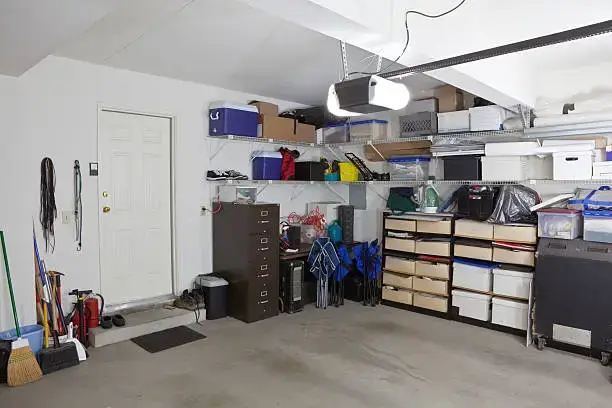
The best garage storage system depends on what you’re storing, how often you use it, and how much floor space you need to keep available.
Which Wall-Mounted Systems Maximize Space Best?
Slatwall and track-and-hook systems are flexible options because hooks, baskets, and other accessories can often be repositioned as your storage needs change. Pegboard is another useful choice for smaller hand tools and frequently used items.
Wall-mounted cabinets can keep items enclosed and reduce exposure to dust, while open shelving makes frequently used items easier to see and reach.
For heavier wall-mounted storage, use the mounting method specified by the manufacturer and choose anchors appropriate for the wall construction. Some systems may require fastening to studs or other structural framing, while masonry walls require different hardware.
Don’t judge a storage system only by how much it can hold. Consider how the items will be distributed across the shelves or hooks and whether you’ll be able to access them safely.
Is Ceiling Storage Worth It for a Garage?
Overhead storage can be useful for bulky, infrequently used items such as seasonal decorations like your Halloween display, camping equipment, or other items you only need occasionally.
It’s less convenient for things you use every day because accessing overhead storage can take additional time and may require a ladder or another access method.
Weight limits are especially important overhead. Always follow the manufacturer’s rated capacity and installation instructions, and make sure the system is attached to the structural support specified by the manufacturer rather than relying on drywall or paneling alone.
As a general rule, keep frequently used items within easy reach and reserve higher storage areas for things you access less often.
How Do You Set Up a Garage Storage System Step by Step?
Set up your garage storage system in this order so you don’t buy products before understanding what your space actually needs.
- Clear out and sort everything before buying storage products.
- Measure the walls, ceiling height, doors, and vehicle clearance so you know exactly how much usable space you have.
- Create zones for parking, storage, tools, sports equipment, or other major categories.
- Install the main storage structure such as shelving, cabinets, wall systems, or overhead racks before filling it with smaller items.
- Group and label items by category and frequency of use.
- Keep frequently used items accessible while moving seasonal and rarely used belongings to less convenient storage areas.
This approach helps turn the garage into a storage system instead of simply adding more containers to an already crowded space.
What Mistakes Do People Make With Garage Storage?
Most garage storage problems come from buying products too early, using space inefficiently, or ignoring how the storage system will actually be used.
- Buying storage products before measuring or planning: The result can be shelving that doesn’t fit the layout or interferes with doors and walkways.
- Overloading shelves or racks: Exceeding a product’s rated capacity can create a serious safety hazard.
- Storing frequently used items out of reach: Daily tools and supplies become frustrating to use when they’re placed in difficult-to-access locations.
- Ignoring vertical and wall space: Relying entirely on floor storage leaves valuable storage areas unused.
- Forgetting vehicle clearance: Storage should not interfere with opening car doors, walking around vehicles, or operating the garage door.
- Mixing unrelated categories: When tools, decorations, sports equipment, and household overflow are all stored together, finding anything becomes harder.
- Keeping hazardous materials in unsuitable locations: Flammable and chemical products require more careful storage than ordinary household items.
How Much Does It Cost to Organize a Garage on a Budget?
The cost of organizing a garage depends heavily on the size of the space, the storage products you choose, and how much equipment you already own.
A basic setup can start with simple shelving, hooks, pegboard, storage bins, and reused furniture that is suitable for the garage environment.
Costs can increase when you move to larger shelving units, wall-mounted systems, cabinets, overhead racks, or professional installation.
One of the easiest ways to control the budget is to organize before shopping. Once you’ve removed unwanted items and measured the space, you may discover that you need fewer storage products than you initially expected.
You can also look for opportunities to reuse suitable shelving or cabinets from elsewhere in the home, provided they’re appropriate for the garage conditions and can safely support the items you’ll store.
The goal isn’t to fill every wall with storage. It’s to create enough organized capacity while keeping the garage functional.
How Do Wall-Mounted and Freestanding Garage Storage Compare?
Wall-mounted systems can be more space-efficient in a small garage because they leave more floor area available for parking and movement.
Freestanding shelving doesn’t require the same type of wall installation and can be easier to reposition, making it useful when you want a flexible setup or cannot make permanent changes to the walls.
For installation, freestanding units are generally simpler to set up, while wall-mounted systems require appropriate mounting hardware and a suitable wall structure.
For flexibility, freestanding shelves can be moved to another location, while track-based wall systems can make it easier to rearrange hooks and accessories within the installed system.
The right choice depends on your garage layout, the type of items you’re storing, and whether preserving as much floor space as possible is a priority. the same wall-mounted-versus-freestanding tradeoff comes up in organizing a small closet, just at a smaller scale.
How Do You Store Hazardous or Sensitive Items Safely in a Garage?
Hazardous materials require more care than ordinary garage storage items, and some shouldn’t be stored in an attached garage at all.
The U.S. Fire Administration is direct about this: store oil, gasoline, paints, propane, and varnishes in a shed away from your home rather than in an attached garage, and keep anything else that can burn on shelves well away from appliances and other heat sources, garage fires tend to spread farther and cause more injury and property damage than fires starting almost anywhere else in the home.
For household chemicals and other hazardous products, keep them in their original containers, follow the product label for storage instructions, and keep them out of reach of children and pets. Products that could catch fire should be kept away from sunlight, open flames, and heat sources.
If you store chemicals on shelves or in cabinets, make sure the storage setup is stable and use safety locks or other appropriate safeguards where necessary.
For temperature-sensitive items, check the manufacturer’s storage recommendations before keeping them in an unconditioned garage year-round. Large temperature swings can make a garage unsuitable for some paints, electronics, food, and other sensitive products.
When you’re unsure whether something belongs in the garage, check its label or manufacturer’s instructions instead of assuming that garage storage is appropriate.
Start with the full clear-out and zoning before buying a single storage product. A well-planned garage doesn’t need every available storage gadget; it needs a layout that makes the best use of the space you already have.
What is the cheapest way to organize a garage?
Start with a full declutter, then add only the storage you actually need. Basic hooks, pegboard, bins, and simple shelving can handle many everyday storage needs without requiring a complete garage makeover.
How do you store items in a garage without shelves?
Wall-mounted hooks, pegboard, track systems, cabinets, and stackable bins can organize many items without traditional shelving. Choose the system based on the size, weight, and frequency of use of the items you’re storing.
How much weight can a garage ceiling storage rack hold?
There is no single weight limit for all overhead garage racks. Capacity varies by product and installation method, so check the manufacturer’s rated capacity and installation requirements before loading the rack. Never exceed the stated limit.
A garage doesn’t need to be perfectly organized to work well. Start by removing what you no longer need, define clear zones, and use walls or appropriate overhead space for items that don’t need to occupy the floor.
Once every category has a logical place, keeping the garage organized becomes much easier. The goal isn’t to create a showroom; it’s to make the space easier to park in, walk through, and use every day.