No Mow Lawn Alternatives That Still Look Great
Table of Contents
A traditional lawn can look neat and inviting, but keeping it that way often means regular mowing, watering, and seasonal maintenance. No mow lawn alternatives can reduce some of that routine work while still giving your yard a deliberate, attractive appearance.
The key is choosing a plant or groundcover that matches your climate, sunlight, soil, and how you use the yard. Some alternatives can create a soft green lawn-like surface, while others are better suited to small areas, garden borders, or spaces where a more natural look is welcome.
What Does “No-Mow Lawn” Actually Mean?
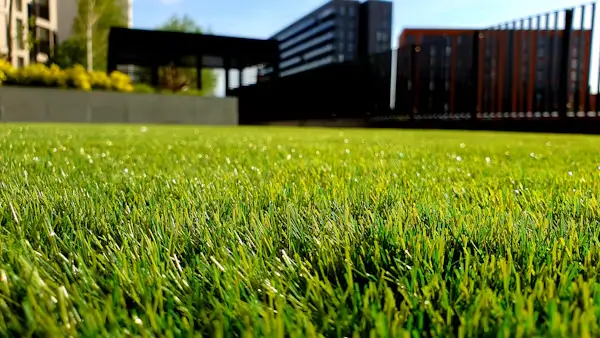
A no-mow lawn generally refers to a lawn or lawn alternative that requires little or infrequent mowing rather than a landscape that never needs maintenance.
Some no-mow approaches use low-growing or slow-growing grasses. Others replace turfgrass with plants such as white clover, creeping thyme, or other groundcovers. Penn State Extension lists meadows, white clover, creeping thyme, and native grasses among its turfgrass alternatives, and notes that clover and thyme can even add nitrogen to the soil while feeding pollinators throughout the growing season.
The important distinction is that “no-mow” does not always mean zero maintenance. Depending on the plants and the appearance you want, you may still need occasional trimming, edging, weeding, watering during establishment, or seasonal cleanup.
What Should You Consider Before Replacing Your Lawn?
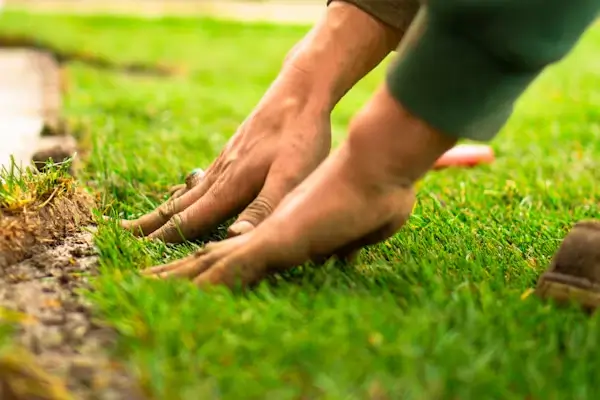
Before removing an existing lawn, look at the conditions that will determine whether your replacement can actually thrive.
Check sunlight
Start by observing how much direct sunlight the area receives. A sunny open yard gives you different options from a space shaded by trees or buildings. Do not choose a plant simply because it is advertised as a lawn alternative. Light requirements should match the actual conditions in your yard.
Check your soil and drainage
Soil type, compaction, and drainage all affect how well new plants establish. If water regularly collects in an area, choose plants that tolerate those conditions rather than assuming every groundcover will perform well there. A basic soil test from your local Extension office can also tell you whether the soil needs any correction before you plant.
Think about how the space is used
A lawn used for frequent play, sports, pets, or repeated walking needs to withstand more traffic than a decorative front-yard planting.
You also do not necessarily have to replace the entire lawn. A partial conversion can be a practical option: keep turf where you actually need a durable walking or play surface and convert less-used areas to alternative plants.
Check local and HOA rules
If you live in an HOA community, review the landscaping rules before starting. Some associations have requirements concerning plant height, lawn appearance, approved plant types, or landscape design. Knowing the rules first can prevent you from creating an attractive landscape that later needs to be changed.
What Are the Best No-Mow Lawn Alternatives?
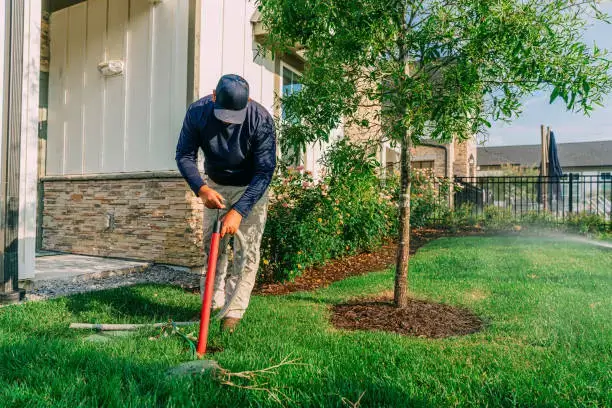
There is no single best option for every yard. The right choice depends on your region, site conditions, desired appearance, and traffic level.
Fine Fescues for a Low-Mow Grass Lawn
Fine fescues are the grasses most commonly used for no-mow and reduced-mow lawns, and they are a good fit when you want to keep a grassy look. According to University of Minnesota Extension, fine fescues need less mowing, watering, and fertilizer than Kentucky bluegrass and tolerate shade better than other cool-season turfgrasses.
Don’t expect a fine-fescue lawn to need absolutely no cutting. The same Extension guide points out that “no-mow” can be misleading, since this type of lawn is typically mowed at least once in the fall to clear dead foliage and keep a neater appearance.
This can be a good choice when you want your yard to continue looking more like a conventional lawn rather than a garden or meadow.
Clover Lawns
White clover is another popular lawn alternative. It can create a soft, green appearance and works well when you want a less formal lawn, but it is not automatically the right choice for every site.
Consider sunlight, soil moisture, traffic, and local growing conditions before planting it across a large area. Flowering clover also attracts bees and other pollinators, which may be an advantage for some homeowners but something to think about around frequently used areas such as play spaces.
Creeping Thyme and Other Low-Growing Groundcovers
Creeping thyme works well in small, sunny, well-drained areas where heavy foot traffic is not expected. It suits decorative spaces, paths, edges, and smaller lawn replacements better than an area that children or pets will run across all day.
Other low-growing groundcovers can also work, but their suitability depends on the specific plant and your site’s conditions.
Native Grasses, Sedges, and Meadows
Native plants can be excellent choices when they are genuinely suited to your local soil, sunlight, moisture, and climate. Per Penn State Extension, native no-mow grasses mostly grow to about 12 to 15 inches and only need cutting about once a year, and for shady areas it suggests native sedges such as Pennsylvania sedge.
For larger sunny areas, a native meadow is another route. Penn State notes that a perennial meadow can take up to three years to fully establish, so it rewards patience, and it still needs a mow once or twice a year to keep shrubs and trees from taking over.
Rather than choosing a plant simply because it is labeled “native,” check whether it is appropriate for the exact conditions of your yard.
How Do You Convert a Lawn to a No-Mow Alternative Step by Step?
A successful conversion starts with preparation rather than immediately scattering seed or planting plugs.
1. Decide how much lawn to replace
You can replace the entire lawn, but you do not have to. Start with areas that are difficult to mow, rarely used, or require more irrigation than you would like. Keeping turf in high-use areas can make the overall landscape more functional.
2. Remove or suppress the existing turf
Existing grass competes with new plants for light, water, and nutrients. For smaller areas, you can dig out the sod or use solarization, which means smothering the grass under cardboard, newspaper, or plastic topped with mulch, a method Penn State Extension describes for establishing meadows. Larger projects may need more extensive preparation.
3. Prepare the soil
Do not skip soil preparation. Address serious compaction or drainage problems, and make amendments based on a soil test and the requirements of the plants you selected.
4. Choose the right planting method
Depending on the alternative you choose, you may use seed, plugs, transplants, or other established plants. Seeding can be useful for covering larger areas, while plugs or established plants give you more immediate planting points.
5. Follow the correct planting season
Do not assume that every no-mow alternative should be planted at the same time. For fine fescue in Minnesota, University of Minnesota Extension recommends seeding from early August to late September, with germination usually taking five to 12 days under ideal conditions. The ideal window varies by species and region, so check recommendations from your local Cooperative Extension service before planting.
6. Water during establishment
Newly planted areas need more consistent watering while roots become established. After establishment, adjust watering according to the plants’ needs, the weather, and the soil rather than following an arbitrary schedule. If you’re planting several different groundcovers, our guide to drought-tolerant landscaping explains how to group plants by water needs so one irrigation zone doesn’t overwater some and underwater others.
What Mistakes Do People Make With No-Mow Lawns?
Choosing a plant without checking the climate. A plant that works beautifully in one region may struggle in another. Always check that it suits your climate and growing conditions.
Expecting zero maintenance. “No-mow” does not mean “no work.” Some alternatives still need occasional trimming, edging, weeding, watering during establishment, or seasonal care.
Ignoring soil conditions. Poor drainage or compacted soil can prevent plants from establishing properly.
Removing turf without a replacement plan. Do not remove a large lawn before deciding exactly what will replace it. Bare soil can quickly become a weed problem if the area is left unmanaged.
Ignoring foot traffic. A groundcover that works beautifully in a decorative area may not tolerate constant walking, running, or pet activity.
Choosing plants only for appearance. A plant can look attractive in a photo and still be completely wrong for your yard. Site suitability should come before appearance.
How Much Does It Cost to Create a No-Mow Lawn?
The cost of a no-mow conversion varies too much to give one reliable price range for every yard. A small seeded area may need relatively few materials, while a larger conversion involving extensive turf removal, soil preparation, plants, mulch, irrigation changes, or professional labor can cost considerably more.
Your total cost will depend on the size of the area, whether you remove the existing turf yourself, whether you use seed, plugs, or established plants, soil testing and preparation, mulch or other groundcover materials, irrigation requirements, and labor and equipment.
Instead of focusing only on the initial installation cost, consider ongoing maintenance as well. A suitable alternative may reduce mowing, watering, or fertilizer requirements over time, but the savings depend on your existing lawn-care routine and local conditions.
No-Mow Lawn vs. Traditional Turf: Which Is Better?
Neither option is automatically better for every property.
| Feature | No-Mow Alternative | Traditional Turf |
|---|---|---|
| Routine mowing | Usually much less | Usually regular |
| Water needs | Can be lower with suitable plants | Varies by grass and climate |
| Appearance | Can range from lawn-like to natural | Usually uniform |
| Heavy foot traffic | Depends on the plant | Often better suited when the correct turf is selected |
| Biodiversity | Can offer more plant variety | Often less diverse |
| Establishment | Can require careful planning | Familiar and widely available |
| Best use | Low-use or decorative areas | Play, recreation, and frequently used areas |
The biggest advantage of a no-mow approach is often reduced routine mowing, but the actual result depends on what you plant.
What About HOA Rules for No-Mow Lawns?
HOA rules can be an important part of the decision. Before converting your lawn, check whether your community has requirements concerning lawn height, plant types, landscape appearance, or approved alternatives. Penn State Extension also advises checking local ordinances before establishing a native meadow, since many communities have restrictions.
If an HOA approval process is required, prepare a simple plan showing what you intend to plant, the expected mature height, how the area will look when established, how you will maintain the edges, and which areas will remain traditional turf.
A neat border between lawn and planting areas can also make a natural-style landscape look more intentional. If a full conversion is not permitted, a small test area or partial conversion may be a practical alternative, provided it complies with the applicable rules.
Final Thoughts
A no-mow lawn can be a smart alternative when the goal is to reduce routine mowing without giving up an attractive outdoor space.
The best results come from choosing plants based on where you live and how you use your yard, rather than choosing an alternative simply because it is marketed as “no-mow.” For some homeowners, a low-mow fine-fescue lawn will provide the familiar look they want. For others, clover, creeping groundcovers, native plants, or a meadow-style landscape may make more sense.
You also do not have to choose between a completely traditional lawn and a completely no-mow yard. Keeping turf where it serves a practical purpose and replacing less-used areas with suitable alternatives can create a landscape that is easier to maintain and better matched to your property.
Do no-mow lawns really need no mowing?
Not necessarily. Some no-mow approaches need little or no routine mowing, but many are still cut once or twice a year, for example in the fall, depending on the plant species and the appearance you want.
Is clover good for a high-traffic yard?
Clover can tolerate some traffic, but it should not automatically be treated as a substitute for a heavily used recreational lawn. Consider the amount and type of traffic before converting a high-use area.
How long does a no-mow lawn take to establish?
There is no universal timeline. Fine fescue seed can germinate in about five to 12 days under ideal conditions, while a perennial meadow can take up to three years to fully establish. Species, planting method, climate, soil, and watering all play a role.