Vertical Garden Ideas for Small Yards and Apartment
Table of Contents
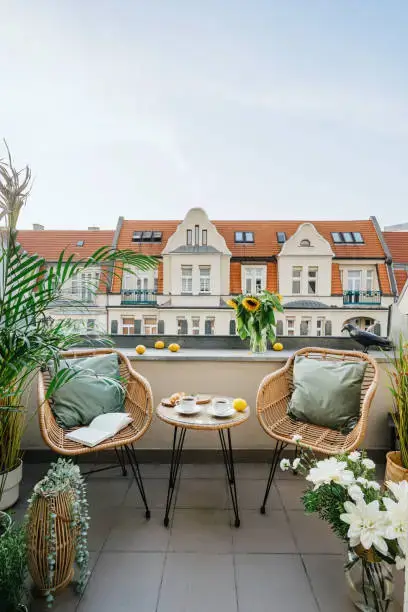
A railing, a blank fence, or a patio the size of a parking space can hold more plants than you’d expect once you start growing up instead of out. Herbs, salad greens, strawberries, flowers, and even climbing beans all work in a vertical setup, as long as the plants get enough light and the structure can carry the weight of wet soil.
This guide covers seven budget-friendly ideas, what to check before you build, which plants suit each system, and the mistakes that sink most first attempts.
Read this first: a container full of wet potting mix is much heavier than it looks, so check the weight limit of any wall, railing, or hook before you hang anything.
What Is a Vertical Garden, and How Does It Save Space?
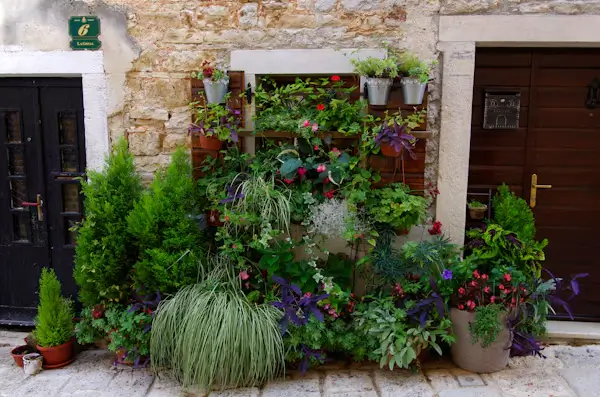
A vertical garden grows plants upward on trellises, wall pockets, hanging containers, or stacked planters instead of spreading them across the ground. Virginia Cooperative Extension describes vertical gardening as a good fit for urban spaces, including balconies, decks, patios, windowsills, and fence lines. It also notes that training plants upward can make harvesting easier, produce cleaner fruit, and improve airflow through the leaves, which helps reduce disease.
That’s the upside. The catch is that a vertical setup needs the same things as any garden: light, enough root space, steady water, and a support that can carry the load.
What Are the Best Vertical Garden Ideas for Small Spaces?

1. Railing planters. Boxes made for your type of railing keep the floor clear and let trailing plants spill over the edge. Buy a size designed for your railing’s shape, and stay under the maker’s weight limit. Good for herbs, lettuce, and trailing flowers.
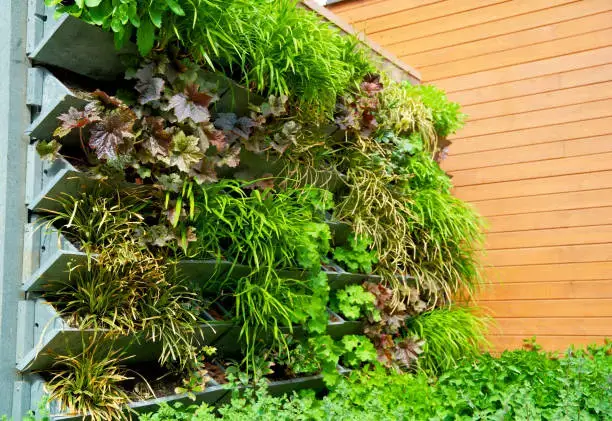
2. Pocket planters. Felt or fabric pockets on a wall or fence hold herbs and small greens in very little space. They’re light, but the shallow pockets dry out fast, so expect to water often.
3. Tiered stand or ladder shelf. A freestanding stand holds several pots without drilling, which suits renters. Pick one with a wide base, and keep it out of strong wind.
4. Trellis behind a large pot. Beans, peas, and cucumbers climb a trellis set into a big container. For trellis netting or fencing, Virginia Cooperative Extension suggests openings no larger than 4 inches so plants can climb easily, and the support must be strong enough for the plant plus its fruit.
5. Hanging baskets and window boxes. Good for strawberries, trailing flowers, and compact herbs. Hang them from a sturdy bracket, not a flimsy hook.
6. Repurposed containers. Laundry baskets, milk crates, and buckets can become planters if they have drainage holes. Use food-grade containers for edible plants, and skip anything that once held paint or chemicals.
7. Rain gutter planter. A length of gutter mounted along a fence suits shallow-rooted lettuce and herbs. Drill drainage holes, mount it securely, and expect frequent watering.
What Should You Check Before You Build?
How Much Sun Does the Spot Get?
University of Maryland Extension puts the sun needs at 6 to 8 hours of direct sun for warm-season crops such as tomatoes and peppers, and 3 to 5 hours for cool-season crops such as lettuce and spinach. Watch the spot through a full day before you buy anything. A shady wall suits greens and herbs, not tomatoes.
Can the Structure Carry the Weight?
A 20-inch container filled with moist potting mix and plants can weigh about 100 pounds, according to University of Maryland Extension, which also warns that tall plants in small, light pots can blow over unless they’re anchored. The same guide notes that soilless potting mix weighs roughly 10 pounds per cubic foot, against about 75 for garden soil, so always use potting mix.
Keep the heaviest pots low and near a wall, use a wheeled plant caddy for big ones, and check the weight limit of any bracket, hook, or railing. Heavy planters shouldn’t hang from drywall or thin siding.
Where Will the Water Go?
Every planter needs drainage holes. Above a neighbor’s balcony or a shared walkway, set pots in saucers and empty them regularly so water doesn’t drip down or sit and breed mosquitoes.
Are There Rules?
Renters and HOA members should check the lease or community rules before drilling, hanging anything off a railing, or adding planters to an exterior wall.
What Are the Best Plants for a Vertical Garden?
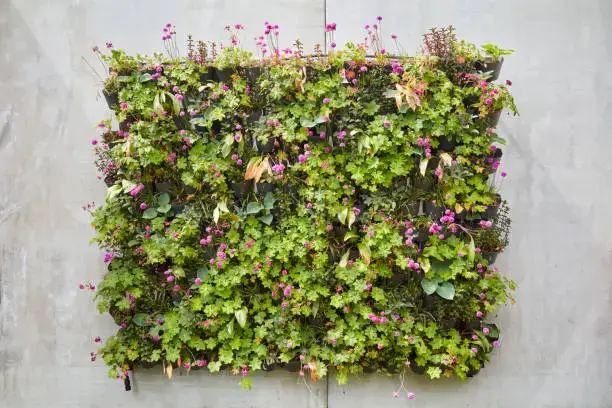
Herbs and greens: basil, chives, parsley, thyme, oregano, leaf lettuce, and arugula. Group them by thirst, because basil and parsley like steadier moisture while thyme and oregano prefer to dry out between waterings.
Fruit: strawberries do well in hanging baskets and tiered planters when they get enough sun and water.
Climbers: pole beans, peas, cucumbers, and some tomatoes climb well. University of Minnesota Extension says trellised fruit works best when it weighs up to about three pounds, and that larger squash and pumpkins are too heavy to trellis and belong on the ground. Melons tend to slip from the vine when ripe, so they need a cloth sling.
Flowers: trailing petunias, nasturtiums, sweet alyssum, and morning glories. Ornamental sweet peas are grown for their flowers, so don’t confuse them with the edible garden peas above.
A shady balcony can still work. Leafy greens and many herbs tolerate partial shade, while fruiting vegetables and sun-loving flowers need more light.
How Do You Build a Simple Vertical Garden?
- Measure the space and note the light. Keep doors, windows, and walkways clear.
- Choose a system that fits your plants. Shallow pockets suit herbs and greens, while climbers need a larger pot and a sturdy trellis.
- Install supports first. Set trellises before planting so you don’t disturb roots later, and use fixings rated for the load.
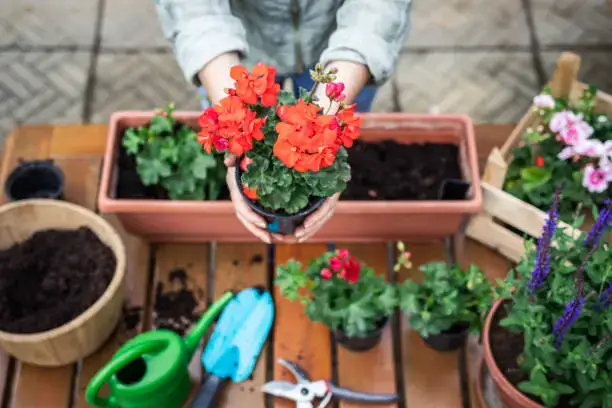
- Fill with potting mix, not garden soil. Our beginner guide to container gardening covers how to size pots and pick a mix.
- Plant at the spacing on the tag and water until it drains. Compact varieties are easier to manage in tight spaces.
How Do You Keep a Vertical Garden Watered Without a Mess?
Small containers dry out fast, especially in sun and wind. Check the mix with a finger before watering, and in hot weather check daily instead of following a fixed schedule.
Three options cut the effort:
- Hand watering at the base of each plant, slowly enough for the mix to absorb it
- A drip line with a battery-powered timer, handy for a row of pots
- Self-watering planters, which hold a reserve of water below the mix
Whichever you choose, use saucers over shared spaces and empty them after watering.
How Much Does a Vertical Garden Cost?
Prices vary by size, material, and region, so compare current listings before you buy.
| Setup | What’s usually included | Cost level |
|---|---|---|
| Basic DIY | Repurposed containers, a simple trellis, potting mix | $ |
| Store-bought starter | Railing or pocket planter, saucers, potting mix | $$ |
| Modular or irrigated | Modular wall panels or tiered stands, drip kit with timer | $$$ |
What Should You Buy First?
- Planters or containers with drainage holes, sized for your plants
- Quality potting mix
- Saucers or drip trays
- A trellis or plant supports, plus garden twine or clips
- A tiered stand or ladder shelf, if you can’t drill
- A plant caddy for heavy pots
- A self-watering planter, or a drip kit with timer
- Slow-release fertilizer
What Mistakes Do Beginners Make?
- Forgetting the wet weight. Check limits before you mount or hang anything.
- Putting sun-lovers on a shady wall. Match plants to the light you actually have.
- Mixing thirsty and drought-tolerant plants in the same pocket or pot.
- Skipping drainage. Water pooling around roots, or dripping onto neighbors, causes problems fast.
- Using tall, light stands in wind. Anchor them or keep them sheltered.
- Overcrowding. Plants need room for roots and airflow as they grow.
Final Thoughts
Start with one railing planter or one trellis and watch how fast it dries out before you add more. If you only get a few hours of sun, build around herbs and greens. If you get six or more, add a tomato or some climbing beans.
What are the easiest plants for a vertical garden?
Basil, chives, thyme, leaf lettuce, and trailing flowers are good starting points, as long as their light and water needs are met.
Can you grow vegetables vertically?
Yes. Pole beans, peas, cucumbers, and some tomatoes climb well, and leafy greens grow in pockets and boxes. Large squash and pumpkins are better left on the ground.
Do vertical gardens damage walls or fences?
They can if moisture sits against the surface or the mounting puts too much weight on it. Use saucers or drip trays, mount into solid structure, and check the surface first.